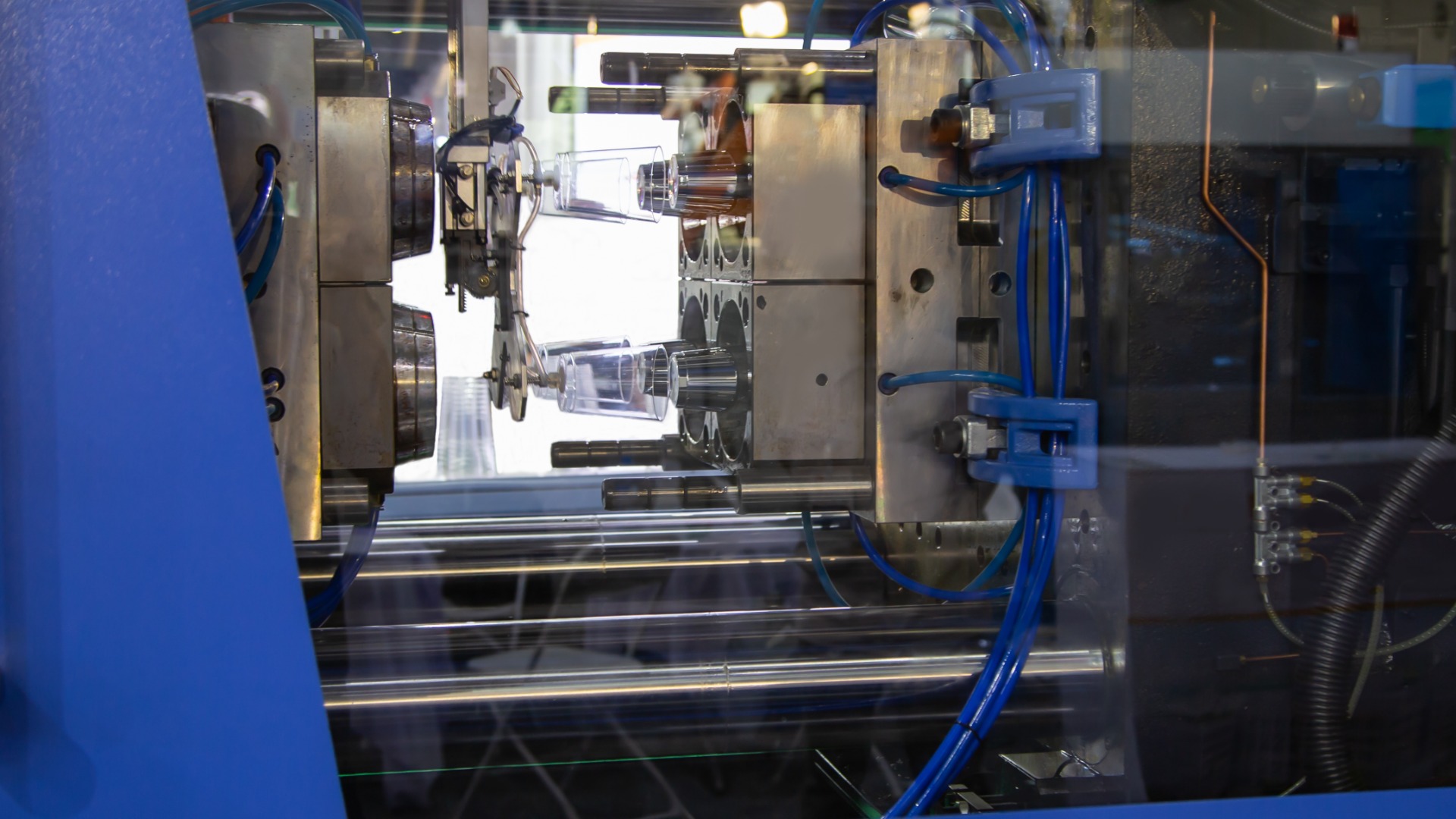
Plastic parts show up in almost every corner of modern life, from vehicle interiors to medical equipment and industrial hardware. Injection molding gives manufacturers a practical way to produce detailed plastic components at high volumes with consistent dimensions and repeatable results. Common applications of injection molding span far more industries than most people realize. Explore the guide below to learn how you can find production options that fit your application.
Why Injection Molding Works Across So Many Industries
Injection molding starts with plastic material that enters a mold under controlled heat and pressure. After the material fills the cavity and cools, the finished part leaves the mold with its intended shape and features. Manufacturers can use this process for basic parts as well as detailed components with ribs, bosses, threads, or other molded features.
The process also supports a broad selection of plastic materials. Each resin has its own balance of strength, flexibility, chemical resistance, temperature tolerance, and other traits. A manufacturer can select a material based on the environment the finished part will face.
Automotive Components
Cars and other vehicles contain an enormous number of plastic components. Injection molding can produce interior trim, clips, fasteners, covers, housings, knobs, brackets, and protective pieces. Plastic can reduce part weight and provide the durability that many vehicle applications demand.
Consistency also has considerable value in the automotive sector. A clip installed across thousands of vehicles needs the same dimensions from one production run to the next. A well-developed mold and stable production process help manufacturers maintain that repeatability across large orders.
Aerospace and Defense Parts
Aerospace and military applications can place strict demands on component materials and dimensions. Injection-molded parts may serve as covers, caps, plugs, housings, spacers, supports, and protective components. Material selection depends on the specific conditions a part will encounter during use. Plastic components can also protect exposed areas from dust, debris, moisture, or physical contact during storage and transport. Exact requirements still depend on the individual part, material, and end-use environment.
Industrial Caps and Plugs
Some of the most practical molded products are also among the least noticeable. Plastic caps and plugs can protect threaded fittings, tubing, valves, and similar components from contamination or damage before use. They can also help keep delicate surfaces covered during storage, transport, or other stages of the supply chain. A small molded component can save a manufacturer from dealing with damaged threads, contaminated openings, or unnecessary part replacement. That modest piece of plastic can have a very practical job.
Electronics and Electrical Components
Plastic has a natural place around many electrical and electronic products because manufacturers can mold it into compact, detailed forms. Applications can include connector bodies, equipment housings, covers, clips, spacers, and protective components. Precise geometry can help these parts fit closely with other components inside an assembly.
Product design can also incorporate multiple features into one molded piece. Ribs add structural support, bosses provide attachment points, and molded contours guide a component into its intended position. That level of detail can reduce the need for extra pieces in some designs.
Medical and Healthcare Products
Healthcare products rely on many plastic parts, from device housings and caps to trays and containers. Injection molding can provide repeatable dimensions across large production volumes. The exact resin, mold design, and production controls depend on the product and its regulatory or performance requirements.
Not every plastic or molding process suits every healthcare application. Manufacturers need to evaluate factors such as intended contact, temperature exposure, chemicals, sterilization methods, and expected service conditions. Those details help guide material and design choices before production begins.
Agriculture Equipment and Components
Agricultural equipment faces dirt, moisture, chemicals, impact, and long periods of outdoor use. Molded plastic parts can serve as plugs, caps, inserts, covers, handles, guides, and other components across machinery and related systems.
Plastic also gives designers freedom to create shapes that suit tight spaces or specialized equipment. A molded component can include contours, tabs, ribs, or other features within one part. That flexibility can support a cleaner design with fewer separate pieces.
Fastener and Hardware Applications
The fastener industry has plenty of uses for molded plastic components. Protective caps, plugs, inserts, spacers, bushings, covers, and related pieces can accompany metal hardware or serve as part of a larger assembly. Some products protect threads or surfaces before installation, while others remain with the final product.
Small parts may appear basic, but dimensions still matter. A cap that’s too loose can fall off, and one that’s too tight can become difficult to install or remove. Proper part and mold design helps create the intended fit for the application.
Consumer Products
Look around a home, office, store, or workshop and injection-molded parts aren’t hard to find. Storage products, appliance components, tool housings, closures, handles, clips, furniture hardware, and countless other goods rely on molded plastic. The process gives product developers room to combine practical features with clean shapes and familiar forms.
Consumer goods also show how broad the process can be. One mold may produce a tiny clip, while another produces a sturdy housing with several built-in features. The same general manufacturing method can support very different products.
Custom Parts for Specialized Uses
Knowing how to get accurate color matching in injection molding is helpful to the custom projects you can complete with this technology. Standard parts work well for many applications, but some products need a shape, size, material, or feature set that isn’t available off the shelf. Custom injection molding gives companies a route to a part built around those specific requirements. This approach can suit established manufacturers as well as businesses that need a unique component for a new product.
Custom projects benefit from careful planning before mold production. Part geometry, expected volume, resin choice, tolerances, fit, and end-use conditions all deserve review. Early attention to those details can reduce costly revisions later in the project.
Find Your Ideal Application
Injection molding has earned a place across automotive, aerospace, military, agriculture, fastener, electronics, healthcare, industrial, and consumer markets because the process can accommodate an impressive range of part designs. From protective caps and plugs to custom components, manufacturers can adapt molded plastic parts to very different jobs and environments. The best results start with a clear view of the part’s purpose, expected conditions, production volume, and material needs. Reflect on each of the common applications of injection molding to find a great way to use this tech now.