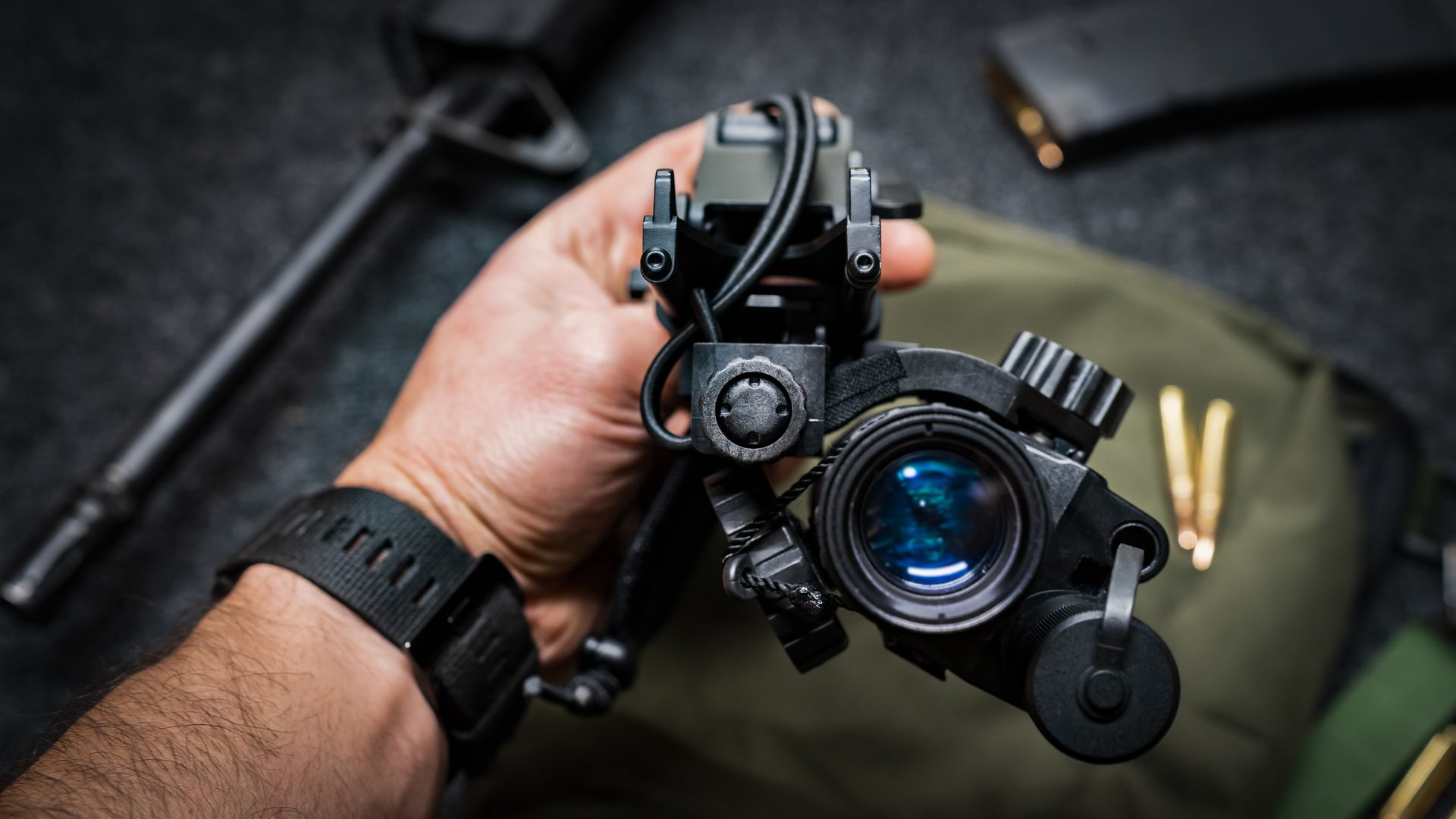
Night vision equipment isn’t only useful in spy movies or military documentaries. The tech is used in everyday industries. Each field uses the equipment differently. Knowing which industries leverage night vision technology makes the gear’s purpose easier to understand.
Defense
Defense teams helped shape modern night vision technology. Soldiers use goggles, scopes, and vehicle systems to move through dark areas while reading terrain and nearby activity.
Low-light imaging and infrared tools turn weak visual information into a usable scene. Individuals can identify fields, roads, and building entrances before moving ahead with this equipment.
Before these systems reach demanding field conditions, engineers have to consider the essential environmental tests for night vision components. The equipment faces vibration, dust, cold, heat, and rough handling. By guaranteeing that the technology is ready to use, defense teams can leverage the equipment properly.
Public Safety
Firefighters and rescue teams use night vision to identify movement and heat signatures in low-light conditions. Firefighters often rely on thermal imaging during structure fires when the smoke diminishes visibility. These devices reveal heat sources and potential hazards, allowing crews to effectively assess conditions while moving through the scene.
Rescue teams use similar technology during floods, wilderness searches, and other emergencies where darkness slows response efforts. Improved visibility supports safe movement through challenging terrain. With night vision equipment, crews will locate people who require immediate assistance despite the darkness.
Wildlife Research
Wildlife researchers use night vision to gather information on species that are active after sunset. Many animals feed, travel, hunt, or interact with others during nighttime hours, which makes direct observation difficult.
Trail cameras and low-light imaging systems help researchers monitor dens, feeding areas, and migration routes over long periods. The footage shows when animals appear, where they travel, and how they use specific habitats throughout the night.
Conservation teams use similar equipment to track population trends across protected land. Nighttime monitoring supports studies on migration patterns, breeding activity, habitat use, and human threats such as poaching. The information collected guides wildlife management decisions and supports long-term conservation goals.
Transportation
Commercial fleets, aviation teams, and marine operators all depend on strong situational awareness because a delayed response can affect passenger safety, cargo movement, and overall operational efficiency. In the automotive sector, night vision supports earlier hazard recognition on roads with limited lighting. Fleet operators value this capability because it supports safer travel across rural routes where unexpected obstacles create ongoing concerns.
Aviation and maritime organizations leverage night vision to strengthen navigation during nighttime operations. Pilots and vessel crews commonly work in environments where visual references become difficult to identify after sunset.
Night Vision Reaches Everyday Tech
Night vision doesn’t turn night into day; it translates weak light and heat into information people can act on. No matter which industry leverages night vision technology, improved awareness after dark allows people to work effectively and safely.