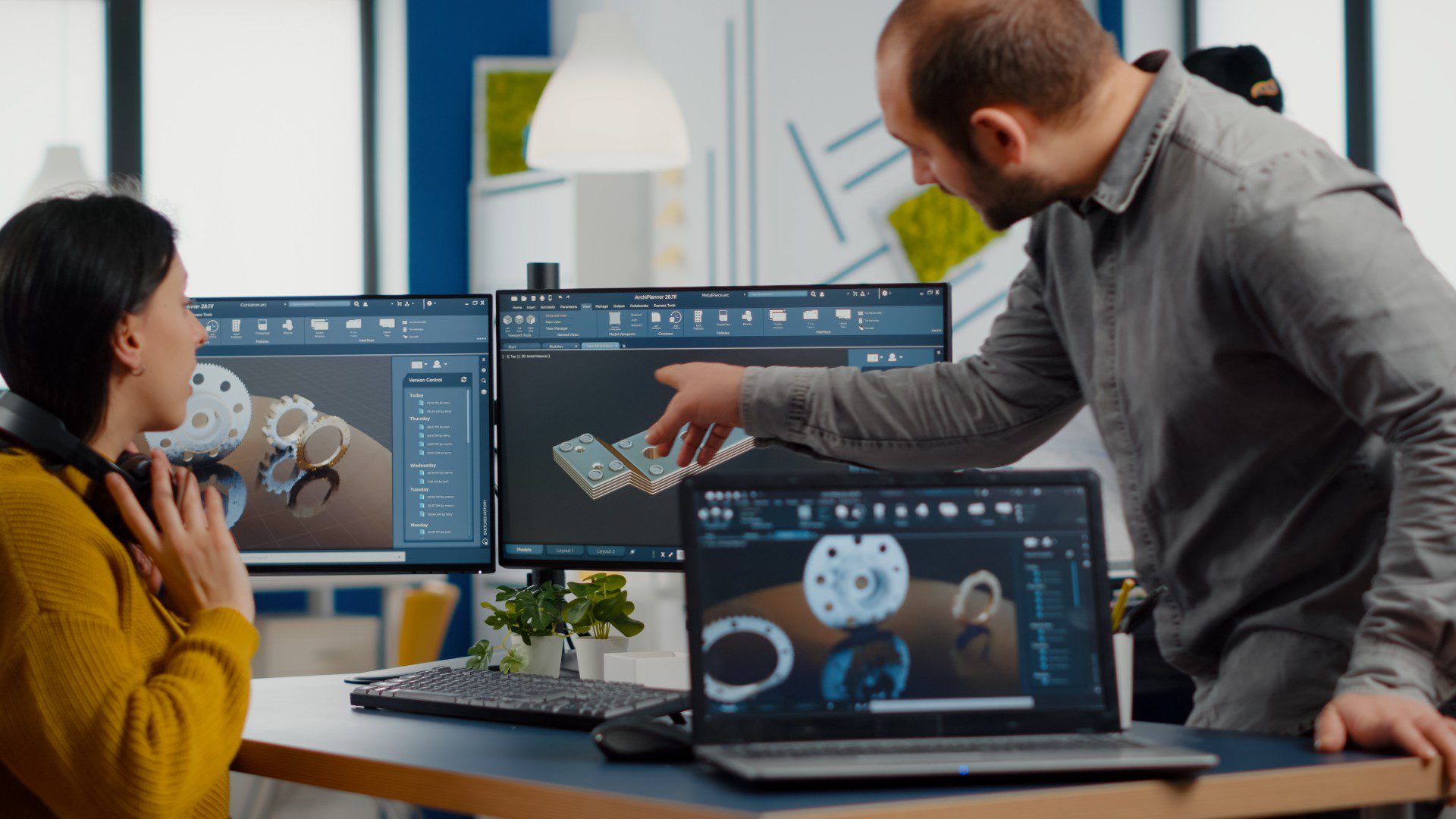
Innovation demands more than a single brilliant mind. Creating complex devices such as drones, smartwatches, and smartphones requires input from various experts. Engineers, designers, and marketers must align their vision to create something worthwhile. Consumers expect seamless functionality and stunning aesthetics. Achieving this balance requires a unified approach. Without teamwork, products fail to meet user expectations.
You might wonder why collaboration is key in tech product design. The reasoning centers on the intricate nature of modern development. No individual possesses every skill required to launch a market-ready device. Success comes from the collective effort of diverse talents working toward a single goal.
Shattering Departmental Silos
Teams often operate in bubbles. Engineers focus on technical specifications and performance metrics. Designers obsess over visuals and ergonomics. Marketers chase trends and consumer desires. When these groups function separately, the final product suffers.
A device might look beautiful but function poorly. Alternatively, it might run efficiently but feel uncomfortable to hold. Collaboration forces these distinct disciplines to merge. Regular communication helps identify potential issues before they become costly problems. A shared perspective allows the team to spot flaws in logic or design early.
Benefits of Cross-Functional Work
Breaking down barriers between departments offers several advantages. This collaboration results in a more comprehensive development process. Key benefits include:
- Reduced development time: Teams can identify and address roadblocks quickly, preventing delays.
- Minimized costly revisions: Early detection of design flaws or technical errors saves money and resources down the line.
- Aligned user needs with technical capabilities: Constant communication ensures the final product is both user-friendly and functional, creating a cohesive experience.
- Increased innovation: Diverse perspectives from different fields can spark creative solutions that a single department might overlook.
Early Integration Drives Success
Waiting until the final stages to merge components increases the risk of failure. Integrating hardware and software requires precise timing. Bringing teams together from day one establishes a clear path forward. This proactive approach saves time and resources. It prevents the need to rebuild entire systems later.
Starting UI/UX work during the initial concept phase keeps user needs central to the project. When designers understand technical constraints immediately, they create realistic concepts. Simultaneously, engineers who understand the design vision build structures that support it. This alignment results in a smoother development cycle.
Continuous Iteration and Feedback
Great products rarely emerge fully formed. They require constant refinement. A collaborative environment encourages honest feedback. Team members critique each other’s work to push for excellence.
This cycle of review and improvement polishes the final result. It turns a good idea into a great device. Rapid prototyping allows the team to test theories and adjust course immediately.
Moving Forward Together
Technology advances rapidly. Brands that prioritize teamwork adapt more quickly. They create gadgets that connect with users. Understanding why collaboration is essential in tech product design sets industry leaders apart. Unity drives progress. Get your creative flow going and collaborate with your team today!