Construction sites contain plenty of activity that project managers and workers need to monitor, from structural installations to heavy machinery moving across uneven ground. However, inspecting every area in person takes considerable time. Modern camera systems provide valuable visual information through aerial footage, panoramic images, and automated video analysis. Learning the ways that cameras improve construction projects reveals what technology is behind site inspections, progress documentation, and equipment monitoring.
Drone Cameras Improve Site Inspections
Inspecting elevated structures presents challenges when workers must access rooftops, scaffolding, or other difficult-to-reach areas. Drones equipped with high-resolution cameras capture detailed footage from above, giving construction professionals a useful perspective without requiring personnel to physically reach every inspection point.
During an inspection, operators position the drone near the area of interest and adjust the camera angle to examine visible defects. For example, aerial footage might reveal damaged roofing materials, gaps in exterior cladding, or debris accumulating around structural connections. Reviewing these images helps inspection teams determine which areas warrant direct examination.
Stabilized Cameras Capture Detailed Footage
Many camera drones use mechanical gimbals to stabilize their imaging systems during flight. These devices adjust the camera’s orientation to compensate for aircraft movement, reducing unwanted shaking when the drone changes position.
High-resolution sensors preserve fine visual details, particularly when operators capture images under suitable lighting conditions. Some systems use overlapping photographs to generate photogrammetric models, allowing construction teams to examine the site’s surface geometry through three-dimensional representations.
360-Degree Cameras Document Site Conditions
Traditional photographs capture a limited portion of a construction area, meaning personnel must take multiple pictures to document an entire room. A 360-degree camera records the surrounding environment from one position.
The device features two ultra-wide-angle lenses pointed in opposite directions. Software combines their images into a panoramic view that users explore by rotating the perspective on a computer or mobile device. This format records spatial relationships between visible features, helping project managers understand how construction elements fit together.
Digital Walkthroughs Preserve Construction Details
Some construction documentation platforms organize panoramic images according to their capture locations on digital floor plans. Personnel move between recorded viewpoints to examine rooms and corridors without physically returning to the site.
This application becomes particularly valuable before crews conceal structural or mechanical components behind finished walls. Images taken during installation preserve a visual reference of visible pipe routes and electrical connections. If questions arise during subsequent work, project teams have photographic documentation to consult before deciding whether physical investigation is necessary.
Time-Lapse Cameras Track Construction Progress
Construction schedules involve numerous activities that unfold across weeks or months. A time-lapse camera records this progression by capturing photographs at predetermined intervals, such as every few minutes during working hours. Software combines the images into a compressed video showing how the project developed.
Unlike continuous video recording, interval photography concentrates on gradual physical changes. A camera positioned above an excavation area might capture the removal of soil, installation of foundations, and development of structural framing. Project managers review the resulting sequence to understand the order of visible construction activities.
Consistent Camera Placement Improves Comparisons
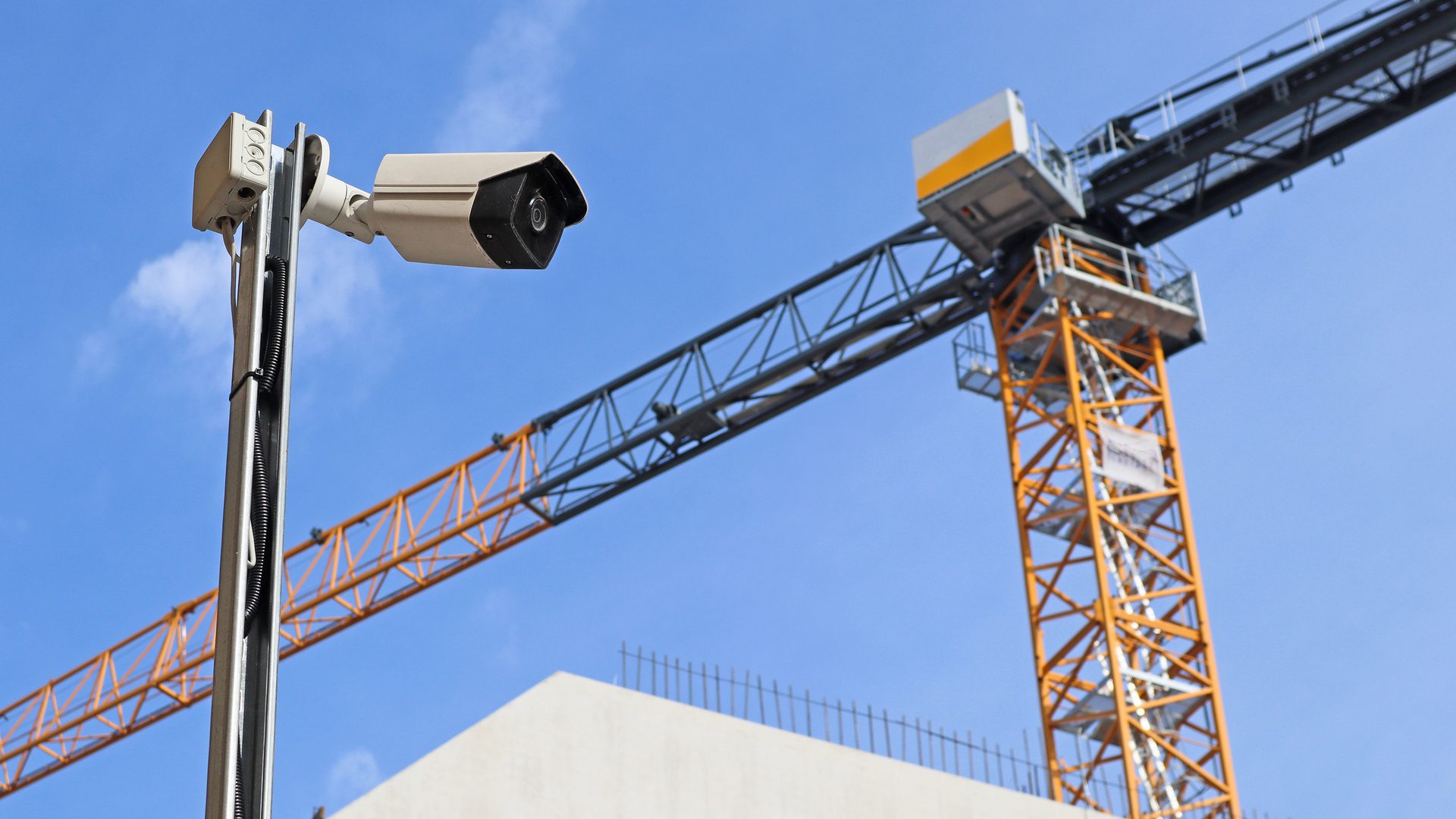
For reliable documentation, crews must position time-lapse equipment where the camera maintains an unobstructed view of the intended work area. Stable mounting prevents unwanted framing changes, while weather-resistant housings protect equipment exposed to outdoor conditions.
Camera settings also influence image consistency. Automatic exposure adjustments help compensate for changing sunlight, although shadows and weather conditions still affect visibility. When teams capture comparable viewpoints throughout construction, the resulting footage helps them evaluate visible progress against planned milestones and communicate project developments to stakeholders.
AI Cameras Identify Potential Safety Hazards
Construction environments contain constantly changing conditions, making continuous visual observation challenging. Artificial intelligence introduces automated analysis by examining camera footage for recognizable objects and patterns associated with predefined safety concerns.
Computer vision software processes individual video frames using models trained to identify specific visual features. Depending on the system, these features might include people, vehicles, or designated work zones. After recognizing an object, the software evaluates its position relative to areas established during system configuration.
Automated Alerts Highlight Unsafe Conditions
Consider a construction site where machinery operates near a restricted pedestrian area. An AI-enabled camera system might detect someone crossing a virtual boundary and generate an alert for designated personnel.
Some systems track object movement across successive frames to identify potential interactions between workers and moving equipment. However, poor lighting and obstructed camera views affect detection accuracy. Therefore, an automated warning system complements established safety procedures and human supervision without replacing them.
Thermal Cameras Reveal Temperature Differences
Conventional cameras record visible light, but thermal imaging devices detect infrared radiation emitted by objects and surfaces. Their sensors translate this information into images that represent apparent surface temperatures through contrasting colors or shades.
Construction professionals use thermal cameras during building inspections to investigate unusual temperature patterns. For example, an inspection might reveal a cold section of an interior wall that warrants examination for missing insulation or unwanted airflow. Thermal imaging is particularly useful when temperature differences are sufficient to distinguish potential problems from surrounding surfaces.
Temperature Patterns Require Careful Interpretation
Thermal images don’t directly reveal hidden moisture or identify the exact cause of a building defect. Instead, they highlight surface temperature variations that inspection personnel must interpret alongside environmental conditions and construction details.
Reflective materials, sunlight, and changing ambient temperatures affect thermal readings. Consequently, technicians must account for these variables before drawing conclusions. When used under appropriate conditions, thermal imaging directs physical inspections toward areas that demand additional investigation.
Equipment-Mounted Cameras Increase Operator Visibility
Large construction machines have structural features that restrict what operators see from the cab. Depending on the equipment’s design, engine compartments and other components obstruct portions of the surrounding work area. Camera systems address these limitations by displaying additional viewpoints on monitors inside the machine.
For example, rear-facing cameras help excavator operators observe activity behind the equipment when maneuvering. On articulated machines, strategically positioned cameras provide visibility around sections of the chassis that obstruct direct sightlines.
Multiple Cameras Expand Visual Coverage
Some heavy equipment uses several cameras positioned around the machine. Video processing software combines their feeds into a single display, sometimes presenting an overhead-style representation of the surrounding area.
These systems rely on camera calibration to align images and reduce distortion between viewpoints. However, camera coverage doesn’t eliminate every blind spot, particularly when nearby objects obstruct individual lenses. Operators must continue using mirrors and established site communication procedures.
Cameras also complement routine equipment observations by providing additional views of exterior components and operating conditions. However, identifying transmission slippage in heavy equipment involves recognizing mechanical performance symptoms, such as unexpected changes in engine speed without corresponding machine movement. Visual monitoring doesn’t replace the inspections and diagnostic procedures necessary to investigate internal transmission problems.
Camera Technology Expands Construction Capabilities
Modern imaging systems provide construction professionals with information that would otherwise demand repeated physical observations. The real value comes from matching each camera’s capabilities to a specific task, whether that involves examining an elevated structure or recording activity around operating machinery.
As digital imaging and video analysis continue developing, camera technology in construction projects will provide new opportunities for collecting and interpreting visual information. Understanding how these systems work helps construction teams choose technology that fits their operating conditions and produces useful results.