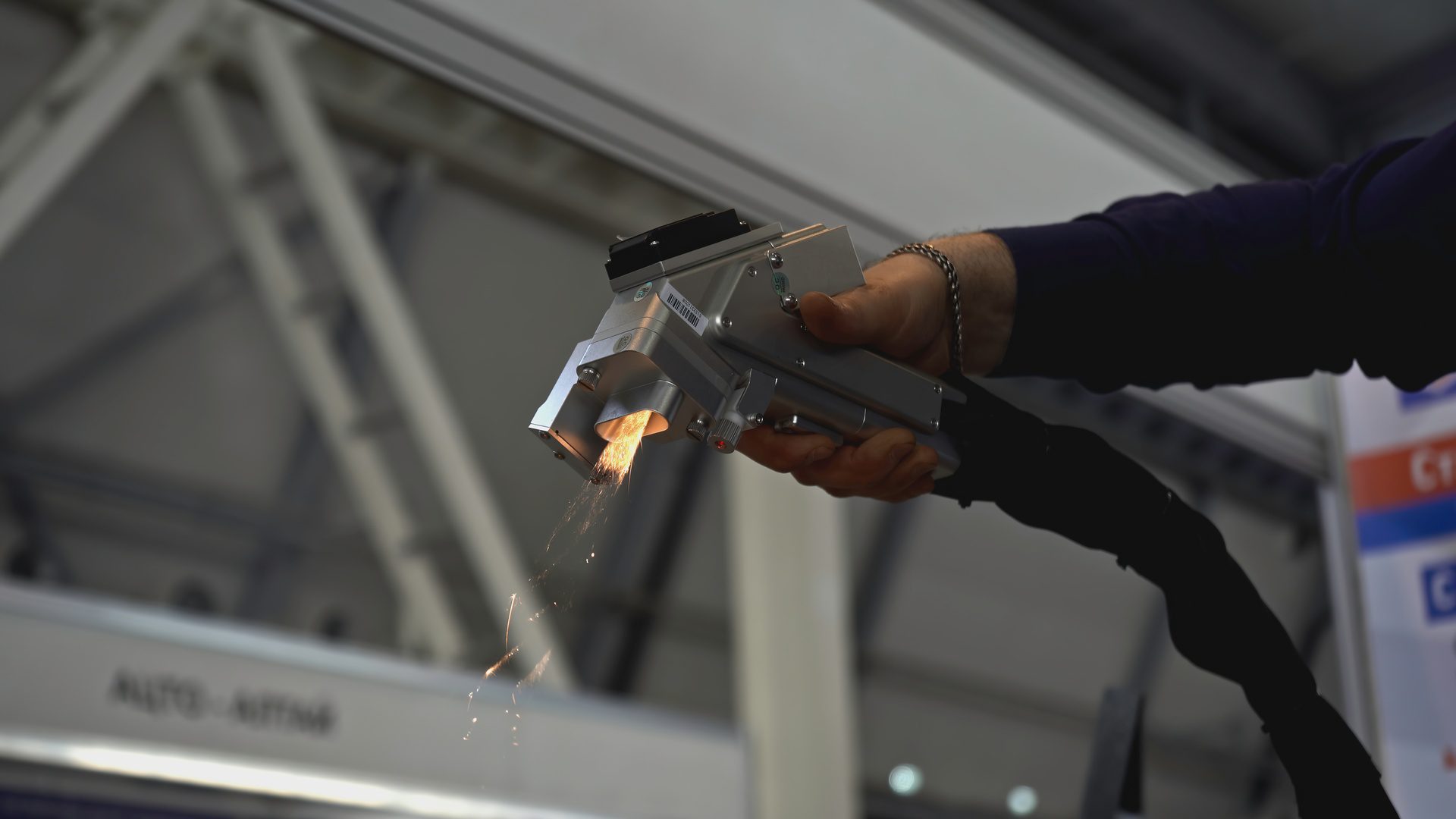
Manufacturers face constant pressure to improve quality while controlling costs. Laser cleaning technology is transforming manufacturing as a practical tool for facilities that need faster surface preparation and cleaner production processes.
Laser cleaning removes rust, coatings, grease, and residues from metal surfaces. The process uses focused light energy to target unwanted material without heavy abrasion.
Why Manufacturers are Paying Attention
Traditional cleaning methods can require chemicals, blasting media, or manual grinding. Those methods can create waste streams that add cost and complexity.
Laser systems reduce the need for consumables and cleanup. Many business owners now compare laser cleaning over traditional surface prep when evaluating long-term facility improvements. Laser cleaning optimizes the process and works with a wide variety of materials, so many facilities are choosing it over traditional methods.
Operational Benefits for Facilities
Laser cleaning can support repeatable results across parts and production lines. Operators can adjust settings for different metals and surface conditions.
Key advantages include:
- Less chemical handling
- Reduced abrasive waste
- Lower surface damage risk
- Better process control
- Cleaner work areas
These benefits matter for plants with strict quality standards. They also help facility owners reduce downtime tied to cleanup and rework.
Strong Fit for Maintenance and Repair
Manufacturing teams often need to clean equipment before inspection or repair. Laser cleaning can remove corrosion from molds, tooling, welded areas, and machine parts.
Laser cleaning helps maintenance teams identify cracks or wear more clearly. Cleaner surfaces also support better coating adhesion and stronger repair outcomes.
Safety and Environmental Considerations
Chemical stripping and abrasive blasting can create exposure concerns. Laser cleaning reduces many of those concerns when teams use proper guarding and ventilation.
Facilities still need safety procedures for laser operation. The technology can support cleaner operations, but it requires responsible implementation.
Automation and Quality Control
Manufacturers continue to adopt automated tools across production floors. Laser cleaning technology fits that trend because systems can integrate with robotics and controlled workstations. Automation can help teams clean parts with consistent speed and accuracy.
Cost Factors to Review
Laser cleaning equipment can require a higher upfront investment than basic manual tools. Business owners should compare that cost with labor savings, waste reduction, consumable costs, and downtime improvements.
The best fit often appears in facilities with frequent cleaning needs. Plants with high-value parts may also benefit from reduced surface damage risk.
What Comes Next
Laser cleaning will likely keep transforming the industry as manufacturers modernize production. The technology gives facility owners another way to improve surface prep while reducing mess and process variation.
For many operations, the real value comes from consistency. Cleaner surfaces, fewer consumables, and better control can make manufacturing processes more reliable.