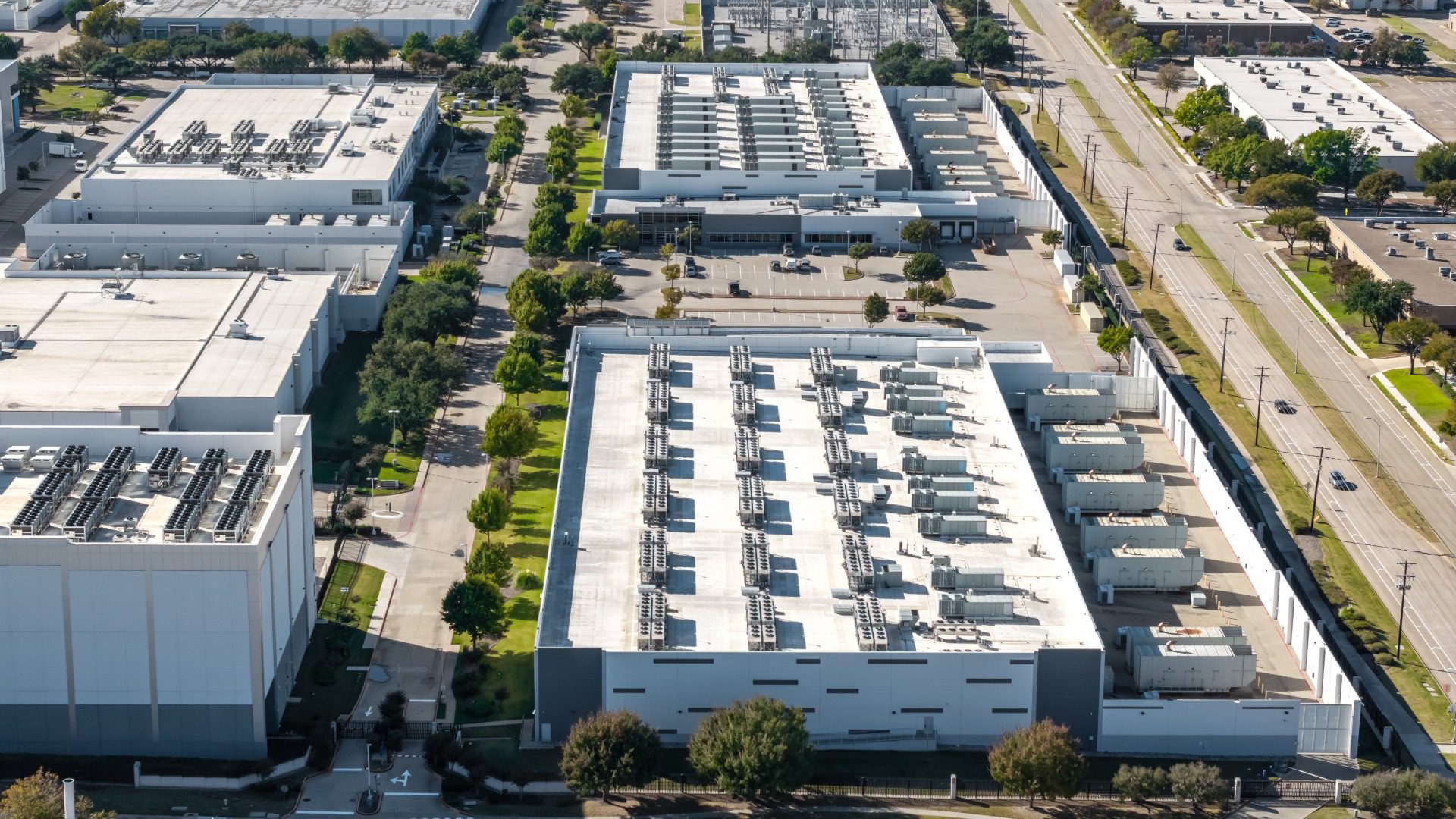
People typically picture the cloud as an invisible space where apps, files, and online services simply exist. In reality, every stream, backup, search, and AI request depends on a physical facility that houses servers and supporting equipment. Data centers give digital services a secure home and keep them available even when equipment fails or demand rises.
It Starts With the Right Site
To understand how engineers build data centers, start with the location. Construction teams look for reliable electricity, strong fiber connections, low environmental risk, and enough space for future expansion. They also study the climate because outside temperatures can influence cooling costs.
The building needs reinforced floors, secure entrances, loading areas, and clear routes for heavy equipment. Engineers plan these features before crews install server racks. Careful planning makes future repairs safer and reduces disruption.
Power Keeps Every System Running
Servers cannot handle unexpected shutdowns, so operators install several layers of electrical protection. Utility power feeds transformers and switchgear, while uninterruptible power supplies cover short disruptions. Backup generators support the facility during longer outages, making dependable data center infrastructure essential to everyday operations.
Engineers often create separate electrical paths so one section can keep running while technicians repair another. This design also lets teams complete routine maintenance without shutting down the whole facility. Each backup layer reduces the risk of service interruptions.
Cooling Protects the Hardware
Computing equipment produces intense heat during normal use. Cooling systems may use chilled water, air handlers, cooling towers, or direct-to-chip liquid loops. Sensors track temperature and humidity so operators can correct airflow before hot spots damage equipment.
Facility teams also separate hot exhaust air from cool intake air. This arrangement helps cooling systems use less energy. Efficient airflow can also extend the life of expensive hardware.
Hidden Systems Support the Facility
The process of building a data center also depends on systems that most users never notice. Electrical routes, stormwater channels, utility vaults, and service access points must remain secure and accessible.
These details help technicians reach buried utilities without disturbing nearby systems. Strong access covers also protect cables and drainage routes from heavy vehicles. Thoughtful design makes inspections and repairs faster.
Teams Test Every Critical System
Before a facility opens, teams test how the building responds to realistic failures. They may cut utility power or trigger equipment faults to confirm that backup systems react correctly. They also inspect fire detection, physical security, network redundancy, and monitoring software.
These tests expose weaknesses before customer data enters the facility. Engineers can then adjust settings or replace unreliable parts. This commissioning process strengthens the overall data center infrastructure before full operation begins.
Reliability Comes From Coordination
A data center works less like a giant computer and more like a carefully managed digital factory. Every system supports the speed and reliability that users expect from cloud services. When each part works as planned, the cloud feels instant and dependable despite the complex machinery behind it.