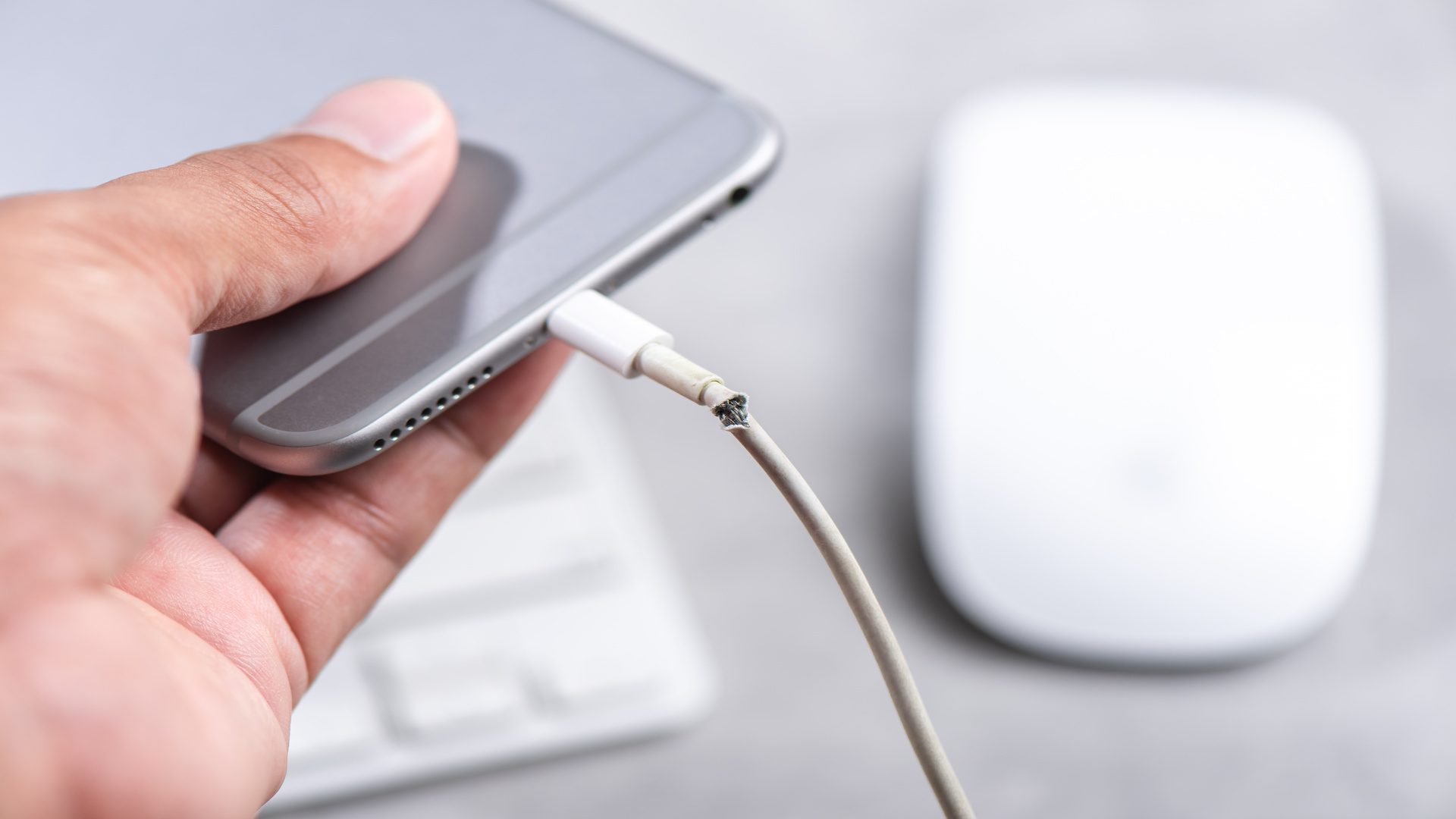
 That dreaded moment when you see the plastic sheath of your charging cable pulling away from the connector, exposing the delicate wires inside, is all too familiar. You’re left wondering, what causes a charging cable to fray near the connector? The answer often comes down to daily habits and the cable’s physical design. Let’s unplug the mystery behind this common tech problem.
The Daily Grind: Bending and Twisting
The primary culprit behind a frayed cable is repeated stress. Think about how you use your charger. You might unplug it by yanking the cord instead of the connector head, or you might use your phone while it’s charging, causing the cable to bend at a sharp angle. This constant bending and twisting weakens the outer casing, especially at the strain relief point (that flexible bit of plastic where the cable meets the connector).
Poor Strain Relief Design
Not all cables are created equal. The strain relief is supposed to protect the cable from damage by distributing stress over a wider area. However, many manufacturers use designs that are too stiff or too short to be effective. When the strain relief fails to do its job, all the pressure concentrates on that one tiny spot, leading to eventual breakage and fraying.
Wrapping and Storage Woes
How you store your cable matters just as much as how you use it. Tightly coiling your cable around your power adapter or wrapping it in a small, restrictive loop puts immense strain on the internal wires and the connection point. This pressure can cause internal components to break down over time, eventually leading to external fraying.
Environmental Factors and Material Quality
Your cable’s environment can also play a role. Extreme temperatures, both hot and cold, can make the plastic casing brittle and more prone to cracking. Furthermore, off-brand, poorly made cables often use lower-quality materials that simply can’t withstand the rigors of daily use. While premium cables might cost more upfront, their durable materials usually save you money in the long run. Practicing good habits is another key way to extend the lifespan of your charging cables.
A combination of things can lead to that frustrating fraying. Understanding what causes a charging cable to fray near the connector empowers you to change your habits. By handling your cables with a little more care, you can keep your devices powered up and your cables in one piece.
Forget the frustration of another charging cable breaking on you. What habits will you start to ensure the quality of your charging cables?