458491 blogbanner
Sports simulators have moved well beyond the simple idea of hitting a ball at a projection screen. Modern systems combine motion tracking, high-speed cameras, projectors, specialized software, and real sports equipment to create an experience that blends gaming with physical training. That combination makes them impressive, but it also makes them more complicated to evaluate than a typical gadget.
Specifications such as resolution and processor speed matter, but they only tell part of the story. Tracking accuracy, room requirements, software support, and maintenance have a bigger effect on long-term satisfaction. Buyers should look at how the whole system works together rather than focus on one eye-catching feature.
Start With the Tracking Technology
The tracking system plays the most important role in the simulator experience. Everything that appears on screen depends on how accurately the system reads physical movement and translates it into digital feedback. If the tracking misses key details, the rest of the hardware cannot fully compensate.
Different systems use cameras, infrared sensors, radar, or combinations of these technologies. Buyers should focus less on the technology label and more on how reliably the system captures movement. A good simulator should recognize the actions that matter for its supported sports and produce repeatable results.
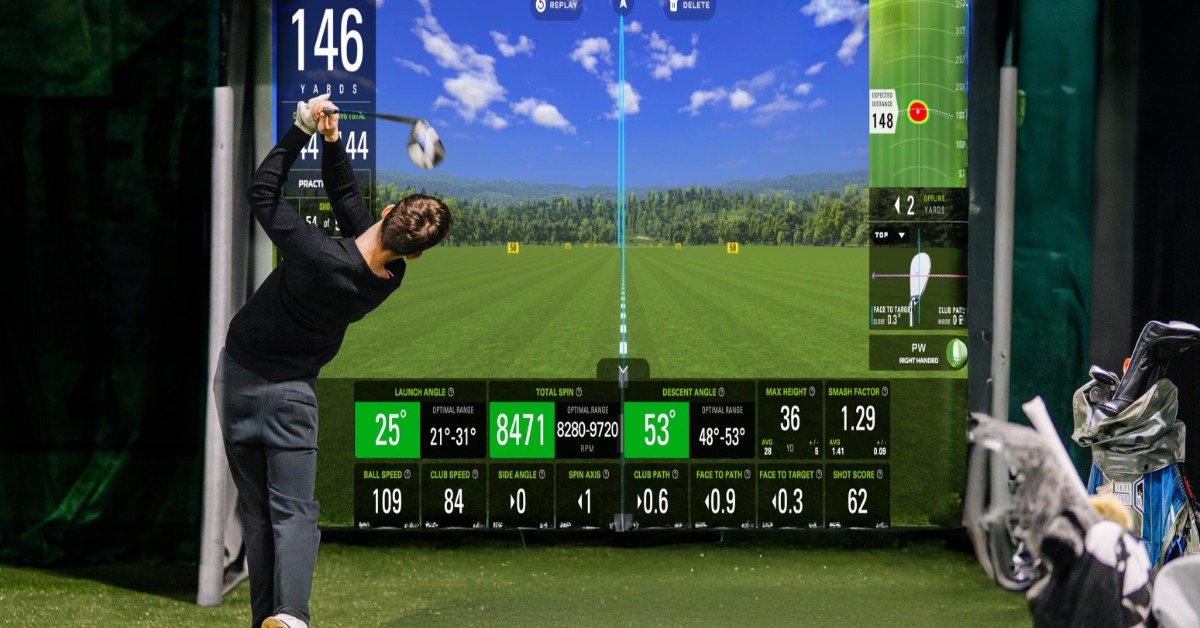
In golf, the system may measure ball speed, launch direction, spin, or club movement. Baseball and soccer systems need to track different types of motion, so buyers should confirm that the hardware fits the activities they plan to use most. Consistency matters more than a long list of measurements if repeated shots produce unpredictable results.
Installation also affects camera-based tracking since physical positioning can affect measurement quality. That makes installation part of the accuracy equation rather than a separate concern.
Whenever possible, buyers should test the simulator in person. Repeat the same shot or movement several times and compare the results. Anyone researching what to look for in a sports simulator should treat consistent tracking as a core requirement rather than an optional extra.
Measure the Room Before Choosing a Model
One of the easiest buying mistakes involves choosing the simulator before checking the room. A setup needs more than enough wall space for a screen. Players also need safe clearance, suitable ceiling height, and enough distance between the hitting area and display.
Room dimensions become even more important with multi-sport systems. The space needed to swing a golf club differs from the space needed to kick a soccer ball or throw a football. Buyers should compare the manufacturer’s recommended dimensions with the real measurements of their room.
The layout matters just as much as the raw size. Doors, ceiling fixtures, windows, and furniture can all interfere with safe movement or equipment placement. Natural light can also reduce projection quality if the room lacks proper light control.
A setup that technically fits may still feel cramped in daily use. Buyers should picture how many people will use the space at once and where spectators will stand. That practical check can reveal problems that a floor plan alone may hide.
Pay Attention to Latency, Not Just Picture Quality
A high-resolution image creates an immediate visual impact, especially on a large projection screen. Responsiveness matters just as much because any noticeable delay can make physical actions feel disconnected from the on-screen result. That disconnect becomes especially obvious in sports that rely on timing.
Several parts of the system affect latency. The tracking hardware, processing computer, software, and display chain all contribute to how quickly the simulator reacts. Buyers should test the complete setup rather than judge one component in isolation.
Projection quality still deserves attention. Look at brightness, contrast, and sharpness under the same lighting conditions you expect to use at home. A projector that looks excellent in a dark showroom may struggle in a multipurpose room with windows or ambient light.
The impact screen also influences the experience. It must display the image clearly while handling repeated contact if the sport involves balls or other equipment. Buyers should check how the screen balances image quality with durability.
Look Beyond the Number of Available Sports
A system that advertises dozens of sports can look more appealing than one with a smaller library. However, the number alone does not reveal how much depth each activity offers. Some modes provide detailed tracking, while others focus more on casual entertainment.
Buyers should match the software library to the way they plan to use the simulator. Someone who wants serious golf practice will value different features than a family that wants variety for parties or shared entertainment. That makes software quality more important than raw quantity.
It also helps to check whether additional sports, courses, or modes require separate purchases. Some platforms include most content upfront, while others rely on subscriptions or paid add-ons. Those costs can change the value of the system over time.
Software support matters as well. A simulator may stay in the same room for years, so regular updates and long-term compatibility deserve attention. When comparing sports simulator features, buyers should include software longevity in the decision.
Understand the Real Cost of Ownership
The advertised price rarely tells the full story. Some systems require separate purchases for the projector, computer, screen, turf, mounting hardware, or protective panels. Professional installation and room modifications can add even more to the final cost.
Ongoing expenses also deserve attention. Software subscriptions, replacement screens, calibration, and service can continue after the initial purchase. Buyers should ask for a complete cost breakdown before ordering.
The warranty deserves the same level of scrutiny. A long coverage period means little if it excludes the components most likely to fail. Buyers should read what the warranty covers and how the company handles service claims.
Support availability can also vary by region. A system may look attractive on paper but become frustrating if parts or technicians remain hard to access. Therefore, service coverage and long-term ownership costs deserve as much attention as the initial price.
Test the Experience Like a Reviewer
A showroom demonstration should function as a test rather than a presentation. Try several activities and repeat similar movements to see whether the system reacts consistently. Pay attention to menu speed and how quickly a new user can start playing.
It also helps to test the simulator with people of different skill levels. A system that feels intuitive to an experienced golfer may confuse a casual user. Shared spaces benefit from simple controls and clear setup steps.
Buyers should also separate visual spectacle from everyday usability. Giant screens and realistic graphics create excitement right away, but reliable tracking and stable software matter more over time. Strong support becomes even more valuable when something eventually needs attention.
A sports simulator represents a significant technology purchase, so the best option is not always the one with the longest specification sheet. Buyers should choose a system that fits their room, usage habits, budget, and expectations. When those pieces work together, the simulator has a much better chance of remaining useful long after the initial novelty fades.