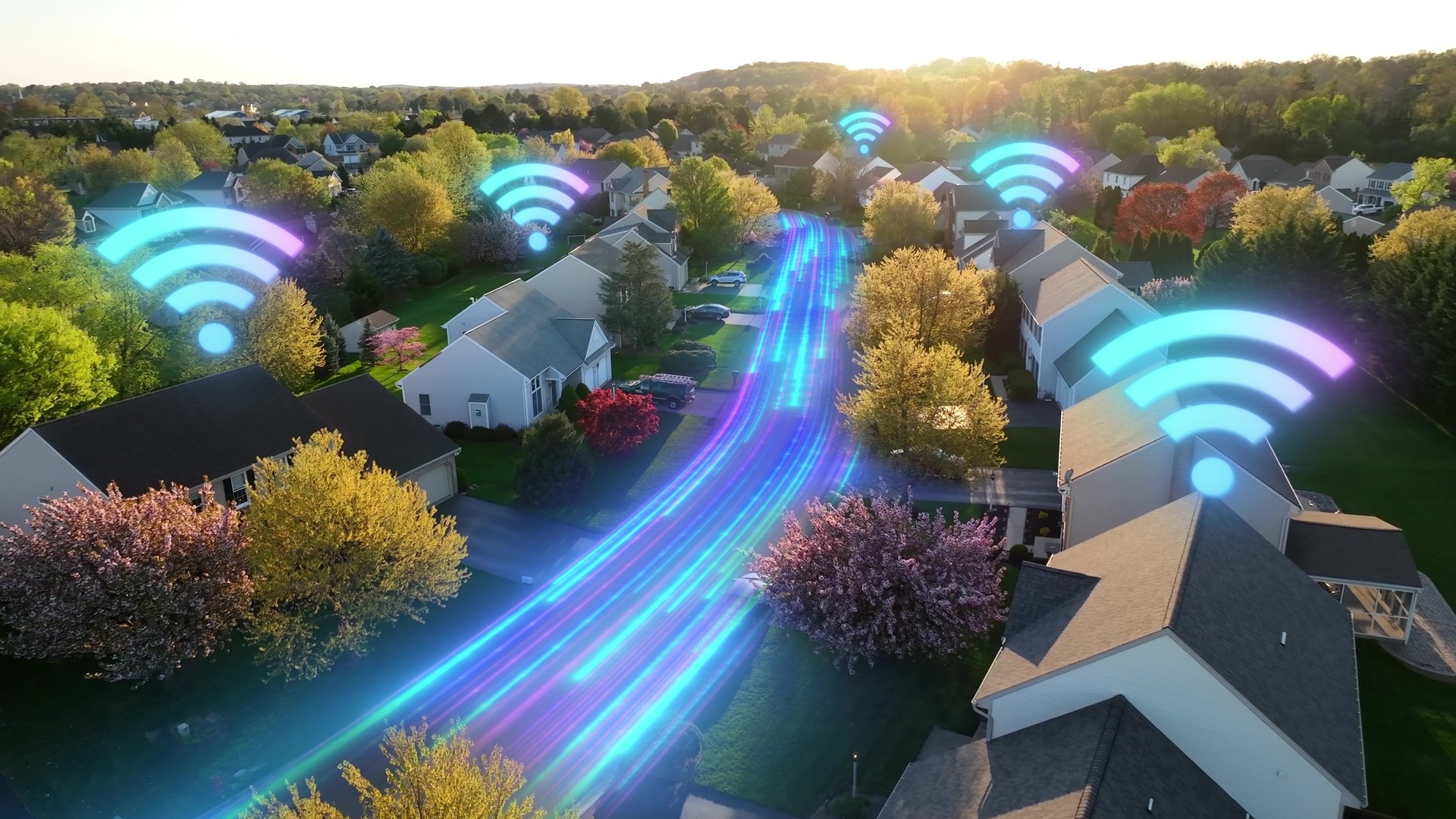
Fast internet once felt like a luxury, but today it shapes how people work, learn, shop, communicate, and entertain themselves. As communities expand fiber networks, local connectivity can improve in ways that reach far beyond faster movie downloads or smoother gaming sessions. Fiber infrastructure can support households, businesses, schools, healthcare providers, and public services that increasingly depend on reliable digital access.
Understanding what fiber expansion changes can help consumers make smarter technology decisions as new service options reach their neighborhoods. Let’s explore how fiber expansion changes local connectivity.
Fiber Changes What Internet Infrastructure Can Handle
Traditional internet infrastructure often relies on copper-based systems that were never designed for today’s enormous data demands. Fiber-optic networks transmit information using light, which allows them to move large amounts of data quickly across long distances. This capacity can support higher speeds, heavier simultaneous usage, and more demanding applications without creating the same limitations that older technologies face. As fiber networks expand, communities gain infrastructure that can better handle future digital growth.
The difference becomes increasingly important as households connect more devices to the internet. A single home may now contain laptops, televisions, phones, gaming systems, cameras, smart speakers, thermostats, watches, and appliances that all compete for connectivity. Remote work and high-resolution streaming add even more demand to that digital traffic. Fiber gives internet providers more room to support these modern usage patterns without treating every new device like another problem to solve.
Faster Upload Speeds Change Everyday Internet Use
Consumers often focus on download speed because internet providers have traditionally promoted it as the headline number. Upload speed matters just as much when people participate in video calls, send large files, livestream content, back up data, or upload videos. Fiber services often provide much stronger upload performance than older broadband technologies. This improvement makes everyday online activities feel noticeably more responsive.
Imagine working from home while another person attends an online class and someone else uploads a large video project. A connection with limited upload capacity may struggle even if its advertised download speed looks impressive. Fiber can make these situations easier by providing enough capacity for data traveling in both directions. For creators, professionals, gamers, and anyone who regularly moves large files online, this difference can matter more than another flashy speed number.
Fiber Expansion Can Improve Remote Work
Remote and hybrid work have made home internet infrastructure more important than many people expected a decade ago. Video meetings, cloud platforms, shared documents, virtual desktops, and online collaboration tools all depend on stable connections. Network interruptions can quickly turn a normal workday into a frustrating cycle of frozen screens and repeated reconnects. Expanded fiber access can give more workers the reliable connections they need to participate effectively from home.
As such, reliability also affects where people can choose to live. Professionals may gain more flexibility to work from smaller communities if local infrastructure can support demanding digital workloads. Businesses can also recruit employees from a wider geographic area without worrying as much about connectivity limitations. In that sense, fiber expansion can influence local economic opportunities as well as internet performance.
More Connected Homes Put Networks Under Pressure
Smart-home technology continues to add new devices to household networks, sometimes without users realizing how much connectivity they consume. Security cameras may continuously upload video, while smart televisions stream high-resolution content and phones automatically back up photos. Add cloud gaming, connected fitness equipment, smart appliances, and video doorbells, and the home network becomes surprisingly busy. Fiber networks can provide the capacity needed to keep these devices running without constant competition for bandwidth.
Consumers still need capable routers and thoughtful network setups to take full advantage of faster service. A powerful internet connection cannot magically fix outdated Wi-Fi equipment, poor router placement, or devices that use older wireless standards. Fiber solves one important part of the connectivity equation, but the equipment inside the home still matters. Tech-savvy consumers should evaluate the entire network instead of assuming a higher speed plan automatically guarantees perfect Wi-Fi in every room.
Network Growth Depends on More Than Construction
Installing fiber throughout a neighborhood represents a major infrastructure investment, but construction alone doesn’t determine whether the project succeeds. Providers also need enough households and businesses to subscribe after the network becomes available. Industry discussions often examine the fiber optic cable installation take rate because customer adoption can determine how effectively a new network converts infrastructure availability into active connections. A neighborhood can technically have fiber access while many residents continue using older services.
Several factors can influence whether consumers switch to a newly available fiber connection, including:
- Monthly pricing and promotional offers
- Available speed tiers
- Installation costs or requirements
- Provider reputation and customer service
- Contract terms
- Reliability expectations
- Competition from cable, fixed wireless, or other services
Schools and Students Benefit From Stronger Connections
Modern education relies heavily on online platforms, digital assignments, educational videos, research databases, and communication tools. Students may need strong connections at home as well as at school, especially when teachers assign multimedia projects or cloud-based work. Fiber expansion can improve access to the bandwidth required for these activities in communities that previously relied on slower options. Better infrastructure cannot solve every challenge related to digital access, but it can remove one important technical barrier.
Schools can also take advantage of stronger networks for administrative systems, classroom technology, virtual learning, and communication with families. High-capacity connections make it easier for many classrooms to use online resources at the same time. Teachers gain greater flexibility to incorporate digital tools without worrying that the network will collapse under normal usage. As educational technology grows, strong, stable infrastructure becomes increasingly important rather than merely convenient.
For consumers, the biggest advantage may come from having more choices and fewer technical compromises. A stronger network can support remote work in the morning, cloud backups in the afternoon, streaming at night, and dozens of connected devices throughout the day. As fiber expansion changes local connectivity, people should compare providers, plans, equipment, and service terms instead of looking at speed alone. Better connectivity matters most when it gives users the freedom to use technology without constantly thinking about whether their internet connection can keep up.